Folding Phone Boom: Apple Raises Production Targets by 40%
Apple has significantly increased manufacturing orders for its new folding device to meet unexpectedly high consumer interest.
By Jian Chen ·
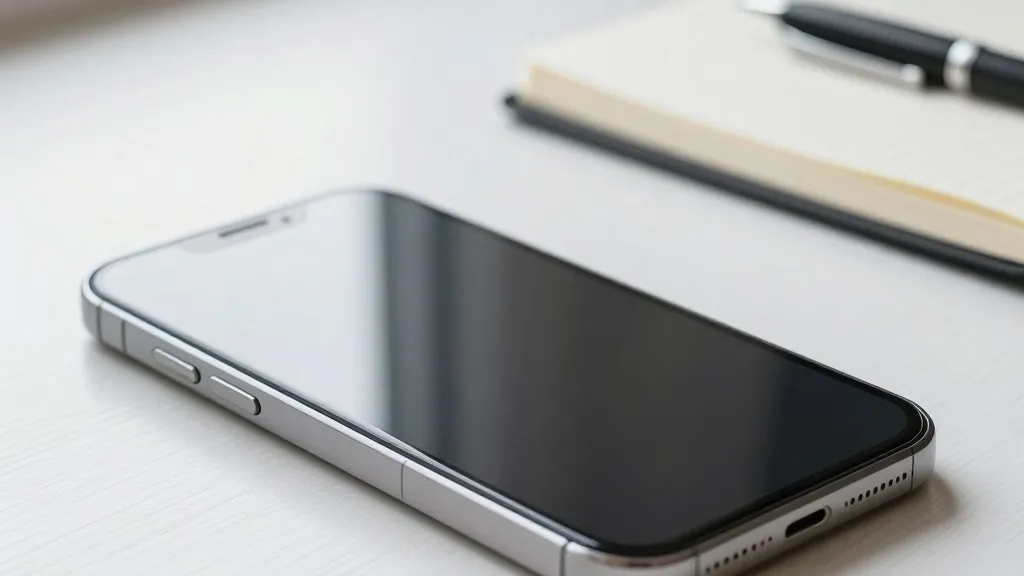
Apple has increased its manufacturing orders for the iPhone Duo by more than 40 percent. This major shift in production plans is a direct response to the intense demand seen since the device launched.
Supply chain reports indicate that the company expects strong sales to continue. Consequently, Apple has raised its shipment targets for the first twelve months from 9.7 million units to 14 million units. This move confirms that the initial delay in delivery dates was driven by high consumer interest rather than a lack of inventory.
The surge in pre-orders began on Friday. Customers immediately noticed that estimated delivery dates were extended. Some orders showed delivery windows stretching into late January. Within minutes of the pre-orders opening, these delays became apparent to buyers across the country.
Apple attributed the delays to what it called "extraordinary" demand for its first folding iPhone. However, company executives have used similar language for previous iPhone launches. To manage the rush, the company limited each customer to a maximum of two units. This measure was designed to reduce the impact of scalpers buying large quantities.
As production ramps up, some early customers are seeing their estimated shipping dates move earlier. This adjustment aligns with the reported increase in manufacturing output. The shift suggests that the supply chain is scaling up rapidly to meet the revised targets set by Apple.
Early adopters are already using the device, but they face some software challenges. Third-party applications have not all been optimized for the new folding form factor yet. Apple states that this situation is improving quickly as developers update their software to support the new hardware.
Reviews from users who have had the device for a week highlight specific features. App support is one of the primary concerns noted in these early assessments. Another key point of discussion is the use of Touch ID on the device, which represents a step back from the Face ID system used in other recent iPhones.
Despite the current hardware setup, reports indicate that Apple is already looking ahead. The company is testing prototypes for the iPhone Duo 2. These new models reportedly include Face ID, suggesting a return to the facial recognition standard for the next generation of the folding phone.
Source: 9to5Mac