Robotaxi Reality: Tesla Sets Cybercab Sales Timeline
Tesla confirmed that customer deliveries of the driverless Cybercab will begin before the end of 2026, though most units will remain in the company's fleet.
By Ken Adams ·
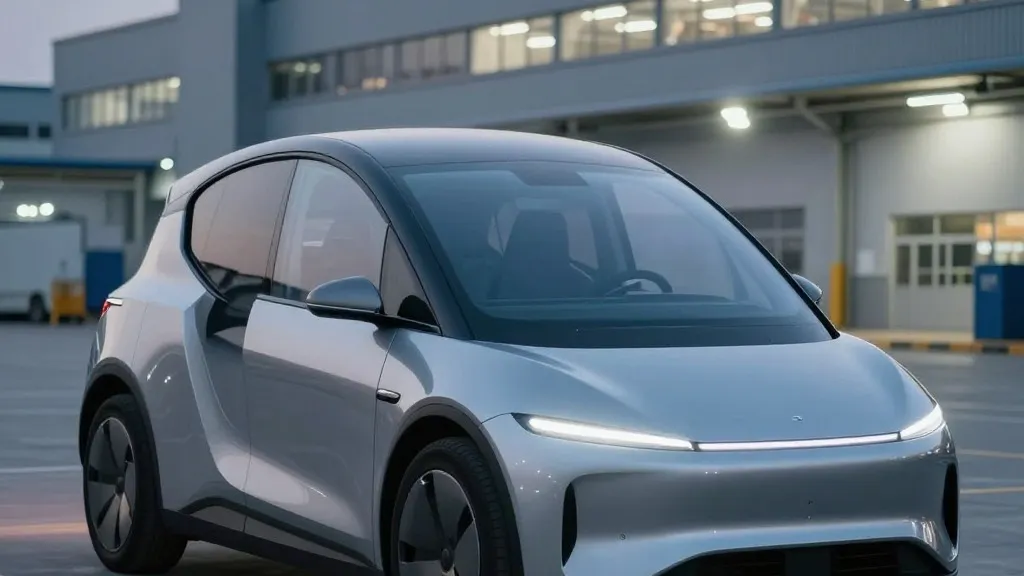
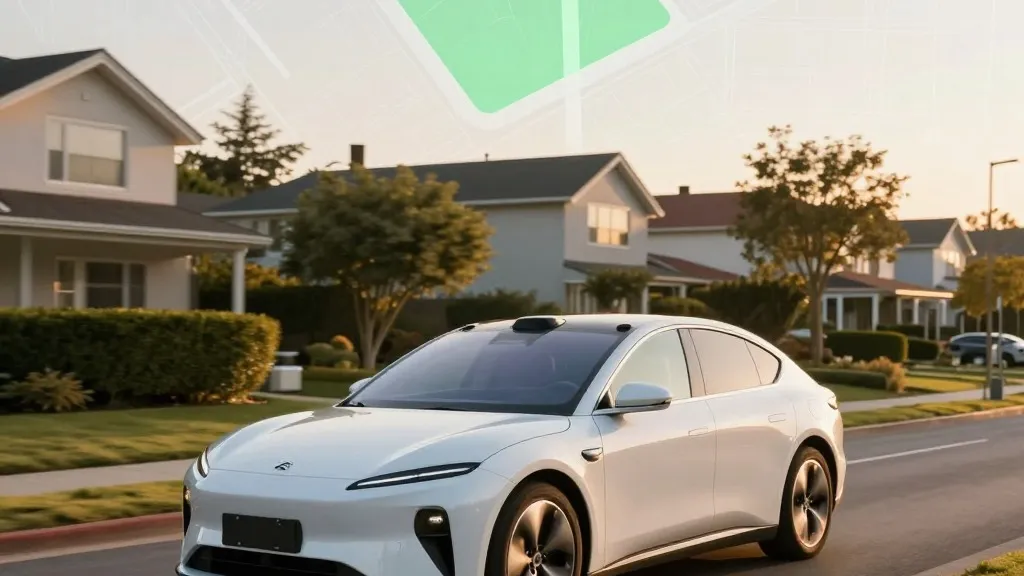
Tesla has officially established a timeline for when its driverless Cybercab will become available to the public, putting an end to months of speculation regarding the vehicle's release. During the company's third-quarter 2026 earnings call held on October 21, executives clarified that while the car is already in production, it will initially be deployed almost exclusively in Tesla’s own autonomous fleet. However, a small number of units are scheduled to reach private customers before the calendar year concludes.
Lars Moravy, Tesla’s Vice President of Engineering, stated that the company is working toward getting Cybercabs into customers' hands by the end of 2026. He noted that production is currently active on the assembly line at Gigafactory Texas. Despite this ongoing manufacturing, Moravy explained that every unit coming off the line right now is being assigned to Tesla’s internal Robotaxi network. This strategy allows the company to test the vehicles extensively before handing over control to private owners.
The company plans to scale up private deliveries gradually as it gains experience with the logistics of transferring ownership, managing fleets, and operating autonomous vehicles outside of direct corporate control. Moravy described this approach as a way to deliver fully designed autonomous vehicles to the market, with the Cybercab serving as the first example of this new category. This phased rollout aims to mitigate risks associated with unsupervised automation in consumer hands.
CEO Elon Musk reinforced the idea that the Cybercab is not intended to be a traditional personal vehicle like the Model 3, Model Y, or the upcoming Roadster. Instead, he characterized the car primarily as a "transport-as-a-service" offering. Musk emphasized that the "vast majority" of Cybercabs will be owned by Tesla, meaning most users will access the vehicle through a ride-hailing service rather than buying the hardware outright. This model shifts the focus from individual car ownership to on-demand mobility.
The Cybercab itself is a two-seater design that features no steering wheel or pedals, relying entirely on Tesla’s Full Self-Driving software. The vehicle has been in production since February, and early units were integrated into the public Robotaxi service in early September. Tesla has previously indicated that the target price for a private purchase would be approximately $30,000, a figure that remains relevant for the small initial batch of customer deliveries.
Looking ahead, Ashok Elluswamy, Tesla’s Head of AI, indicated that unsupervised Full Self-Driving capabilities are expected to ship to consumer cars in the second quarter of 2027. However, early buyers or fleet operators may face geographical restrictions on autonomous operation due to varying regulatory approval timelines. These regulatory hurdles remain a significant factor in how quickly and broadly the vehicle’s autonomous features can be deployed across different regions.
Source: Teslarati