Jensen Huang's Microduck Demo Ignites a 20,000 Unit Preorder Rush
A viral keynote moment featuring robotic ducks has already secured tens of thousands of holiday preorders for the Hugging Face subsidiary.
By Emily Carter ·
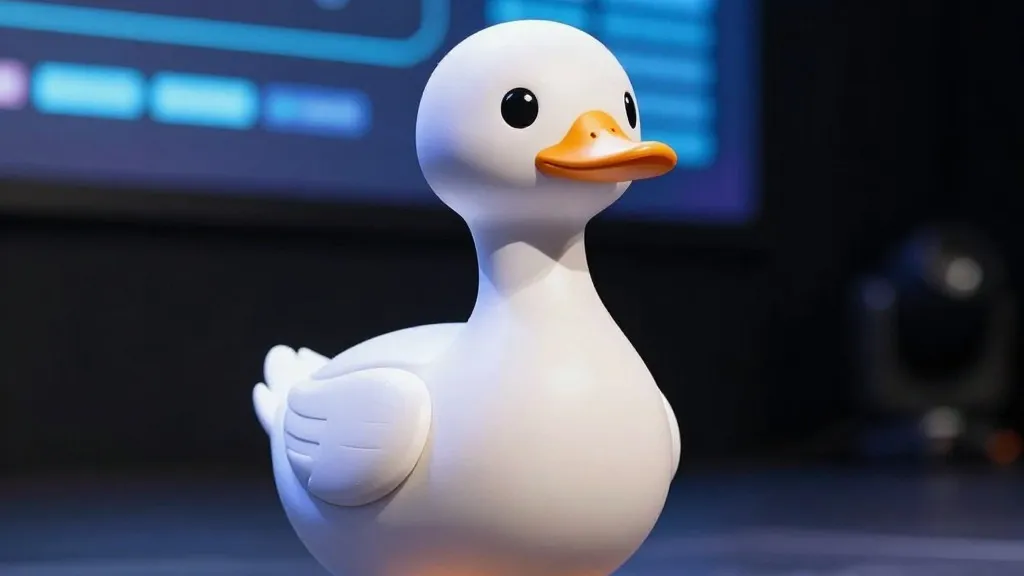
A flock of digital ducks just stole the show at Nvidia's biggest European event. The clip is now everywhere, and it is moving hardware fast.
The numbers behind the hype are substantial. By the morning after the presentation, preorders for the Microduck robots had already exceeded 20,000 units. This surge in demand was confirmed by Clem Delangue, the head of Hugging Face, who shared the milestone on social media. The speed of this adoption suggests the device is quickly establishing itself as a top contender for the holiday season.
The people driving this momentum include Jensen Huang, Nvidia's chief executive, and the engineers behind Pollen Robotics. Huang showcased the devices during his keynote address at GTC Berlin earlier this week. The robots were not static props. They waddled across the stage, stomped their small feet, and emitted high-pitched sounds reminiscent of a classic sci-fi droid. They also performed specific tricks on command, such as sitting, falling over to simulate a nap, and executing summersaults. Delangue noted that the appeal is not limited to children. Promotional materials feature adults playing with the units, and he believes they could become the year's best-selling robot overall.
The Microduck is an open source device created by Pollen Robotics. That company was acquired by Hugging Face in 2025. Hugging Face itself was purchased by Nvidia in September of this year. This places the toy under the ownership of the GPU giant. It is the second robotic product to come from the Hugging Face team, following the similarly charming Reachy Mini. The lineage matters for understanding the technology stack and the company's broader strategy in consumer hardware.
The technology behind the cuteness relies on Nvidia's own tools. The robots were trained using the company's technology stack. Simulations of the ducks were taught basic motor skills like walking, sitting, and standing. These pre-loaded tricks are what ship with the hardware. However, the system is designed for expansion. Pollen states that owners can program new behaviors for their specific units. These custom tricks can then be shared with the wider community, creating a growing library of moves for the devices.
The stakes for Nvidia and Hugging Face are high. The Microduck is expected to arrive in time for Christmas. If the preorder pace holds, it could define the holiday shopping period for robotic toys. The viral nature of the keynote video has lowered the barrier to entry for many consumers. For a company that often deals with complex data centers and enterprise solutions, a cute, waddling duck is a powerful marketing tool. It shows that the technology is accessible and fun, not just powerful.
The timing of this launch is particularly interesting. The AI industry has faced significant scrutiny recently. Cyberattacks involving AI have made headlines, creating a tense mood around the sector's rapid growth. In that context, the Microduck serves as a light relief. It demonstrates that the same forces building complex AI models can also create playful, tangible experiences. The contrast is stark, but it is effective. The video is hard to watch without feeling compelled to order a unit. The blend of technical prowess and adorable design is currently winning over skeptics.
Source: TechCrunch