Export Controls: Blackwell Chips Surface in State-Owned Chinese Telecom
Security researchers have located 32 prohibited Nvidia B300 GPUs within China Telecom's infrastructure, prompting Nvidia to label the discovery a minor anomaly in the broader market.
By Zanele Khumalo ·
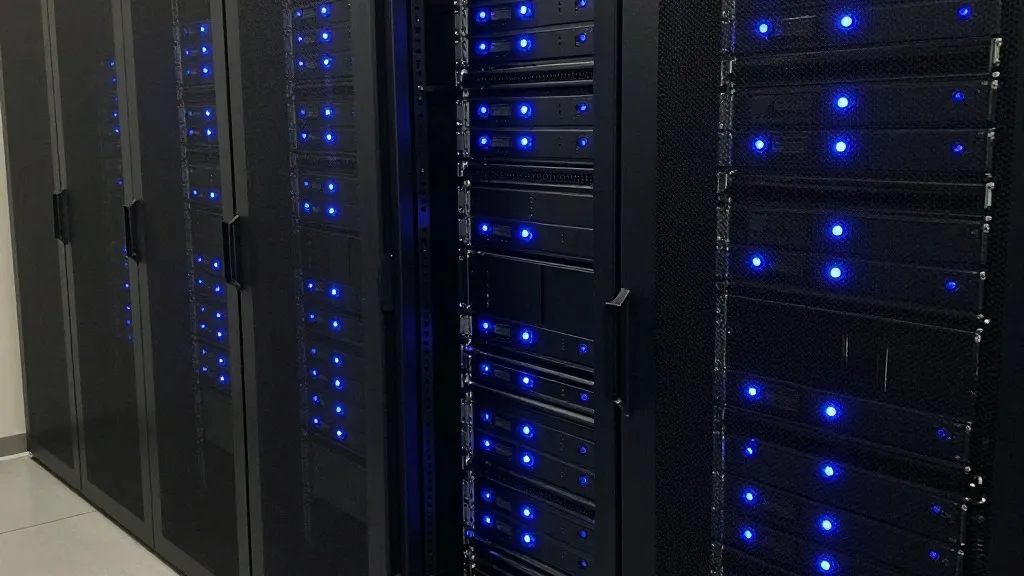
California-based technology firms and their international partners face a persistent challenge in maintaining the integrity of high-performance hardware supply chains. The latest development involves the detection of 32 Nvidia Blackwell Ultra B300 graphics processing units (GPUs) inside the network of China Telecom, a major state-owned telecommunications provider. These specific chips are currently barred from export to China under U.S. regulations, raising immediate questions about the effectiveness of current enforcement mechanisms and the pathways through which restricted hardware enters the country.
The discovery was made by Lava, an Israeli cybersecurity firm, which identified the hardware through Nvidia’s DCGM Exporter tool. This software is typically installed by data center operators to monitor server health and performance. Although designed for internal use, the tool can sometimes be accessed from outside the data center’s secure network and does not always require password authentication. While Lava confirmed the presence of the chips, it could not determine exactly where within China Telecom’s vast network they are located or how they were originally installed.
Understanding the context of this finding requires looking at the recent history of U.S. export controls. In 2025, reports indicated that Chinese entities smuggled approximately $1 billion worth of Nvidia AI chips into the country over a three-month period. At that time, the B200 series was the most sought-after component, but distributors were already preparing to move B300-series hardware once it became available. The current discovery suggests that the flow of controlled chips into China remains a significant issue despite regulatory efforts.
Nvidia has responded to the news with a mix of acknowledgment and minimization. A spokesperson stated that while the findings are not denied, the scale of the diversion is small relative to the total volume of compute resources available domestically in China. The company noted that recent court cases have shown that the diversion of controlled U.S. products is less than 0.5% of the total. With tens of millions of GPUs already in service in approved countries, Nvidia maintains that smuggling is a non-factor, particularly given the extensive domestic computing infrastructure China has already built.
The Blackwell Ultra B300 is a high-value target for these efforts because it represents a significant leap in capability. Announced in March of last year, the chip offers 50% more memory and FP4 compute power than its predecessor, the B200. Nvidia originally marketed the B300 as being "built for the age of reasoning," specifically citing its suitability for advanced large language models like DeepSeek R1. It was expected to ship by the end of 2025, and its high performance quickly made it a priority for buyers seeking to enhance AI capabilities.
Recent legal actions highlight the intensity of the smuggling operations. In August of this year, nine individuals were indicted in Taiwan for the illegal export of B300 GPUs to China. This followed an investigation by Supermicro, which resulted in the termination of several employees. The smuggling operation reportedly involved a Taiwanese server trading firm known as Flying Tiget Tech, which held the necessary whitelisted status to purchase the GPUs legally before diverting them.
The high demand for these chips has also distorted pricing for older hardware. Nvidia’s A100 servers, which are five years old, have seen their prices triple, with units now costing up to $82,000. This scarcity has led some organizations to retool gaming GPUs to handle AI workloads when possible, further illustrating the pressure on the supply chain. Nvidia is working on a new tool to help locate its chips, but it has not yet been released.
For California readers and tech industry stakeholders, this incident underscores the ongoing tension between protecting domestic technology advantages and the global demand for AI infrastructure. As Nvidia continues to refine its export controls and monitoring tools, the industry will likely see further scrutiny of data center operations and supply chain transparency. The next steps will involve watching for the release of Nvidia’s new tracking tool and any further legal actions against those involved in the recent indictments in Taiwan.
Source: Tom's Hardware