Google Faces Local Backlash as Displaced Wolves Enter Finnish Villages
Residents report increased wildlife activity in their neighborhoods following Google's unauthorized clearing of over 1,300 acres of forest for new AI infrastructure.
By Tariq Mahmoud ·
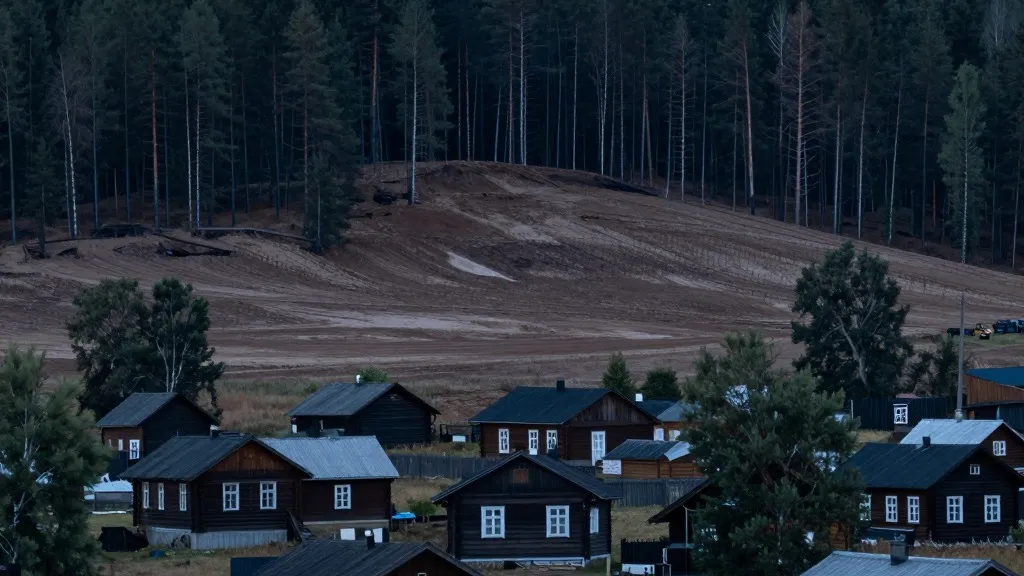
For residents of villages near the Finnish towns of Muhos and Otanmäki, the daily routine has shifted from quiet rural life to a state of heightened vigilance. Families are now reporting that wolves and other wild animals, previously confined to the dense forest, have begun roaming into their neighborhoods. This change presents a direct safety concern for ordinary people living in the shadow of new American tech infrastructure. The presence of these predators in close proximity to homes marks a tangible, if unwelcome, consequence of the rapid land development occurring nearby.
The situation stems from the construction of large scale data centers intended to support artificial intelligence operations. Google, the American search and AI giant, has been building these facilities on land that was once heavily wooded. According to recent reports, the company cleared approximately 1,300 acres of forest. This area has since been transformed into a muddy expanse, disrupting the natural habitat that sustained local wolf packs for generations. The loss of this green space has forced wildlife to seek new territories, leading them closer to human settlements.
The timeline of this conflict began with Google’s push to establish a significant AI presence in Finland. The company moved quickly to secure land and begin construction, a pace that local officials and conservation groups argue outstripped regulatory checks. Earlier this month, the Finnish Licensing and Supervision Authority, known as LVV, issued a formal notice to Google. The order required the company to cease its construction activities in the Muhos and Kajaani areas, which is located near the village of Otanmäki. This directive came after regulators determined that the project had not fully adhered to environmental policies.
Despite the stop work order, the physical reality on the ground has continued to affect the community. The cleared land, which spans roughly 816 acres near Muhos and another 500 acres near Otanmäki, now stands as a stark contrast to the surrounding forest. The area is described as an expanse of mud, a landscape that offers little shelter or food for the animals that once thrived there. This environmental shift has not gone unnoticed by locals, who have voiced concerns about the broader impact of the project on their quality of life.
Anni Ranta, a 53 year old resident whose family has lived in Otanmäki for generations, highlighted the immediate impact on the community. She explained that the displacement of wildlife from the forest has led to animals entering the village. Ranta noted that the change is not just an environmental issue but a safety matter for families. She also expressed a separate concern regarding the strategic implications of the project. Ranta fears that the presence of U.S. owned data centers could make Finland a more attractive target for Russian aggression, adding a layer of geopolitical anxiety to the local debate.
The reaction from conservation groups has been sharp. A representative from the Finnish Association for Nature Conservation, or SLL, characterized Google’s approach to environmental policy as unprecedented. The group argued that the company had clearly flouted established regulations in its haste to build. This view aligns with the actions of the LVV, which has taken the step of ordering the halt to development. The regulatory body’s intervention suggests that the government is willing to push back against major corporate interests when local environmental standards are not met.
In response to the controversy, Google has attempted to maintain a cooperative tone. A spokesperson for the company stated that it would fully comply with the requests made by the LVV. The company expressed its desire to keep an open dialogue with authorities and local organizations to strengthen its partnership in Finland. By emphasizing compliance and communication, Google appears to be betting that the long term business benefits of its data centers will eventually outweigh the current friction with regulators and residents.
Locals are not limited to complaints about wildlife. Residents have also reported issues such as construction noise, streams turning brown due to runoff, and the displacement of rare bird species. These grievances mirror similar concerns raised by communities in the United States and other countries where AI data centers are being built. The pattern suggests that the rapid expansion of AI infrastructure is creating a recurring set of environmental and social challenges that companies must navigate.
Looking ahead, the focus will likely remain on how Google manages the stop work order and the subsequent remediation efforts. The company must now determine how to proceed with its plans without further alienating the local population. For the residents of Otanmäki and Muhos, the immediate worry is how to coexist with the displaced wildlife while waiting to see if the muddy wastelands will be restored or if the data centers will eventually become a permanent part of their landscape. The next steps will require careful negotiation between the tech giant, the Finnish authorities, and the communities living in the crosshairs of this digital expansion.
Source: Tom's Hardware