Regulators Propose Cyan Lights for Self-Driving Car Identification
The NHTSA has introduced a rule change that would equip autonomous vehicles with blue-green marker lamps to signal operation.
By Robert Hayes ·
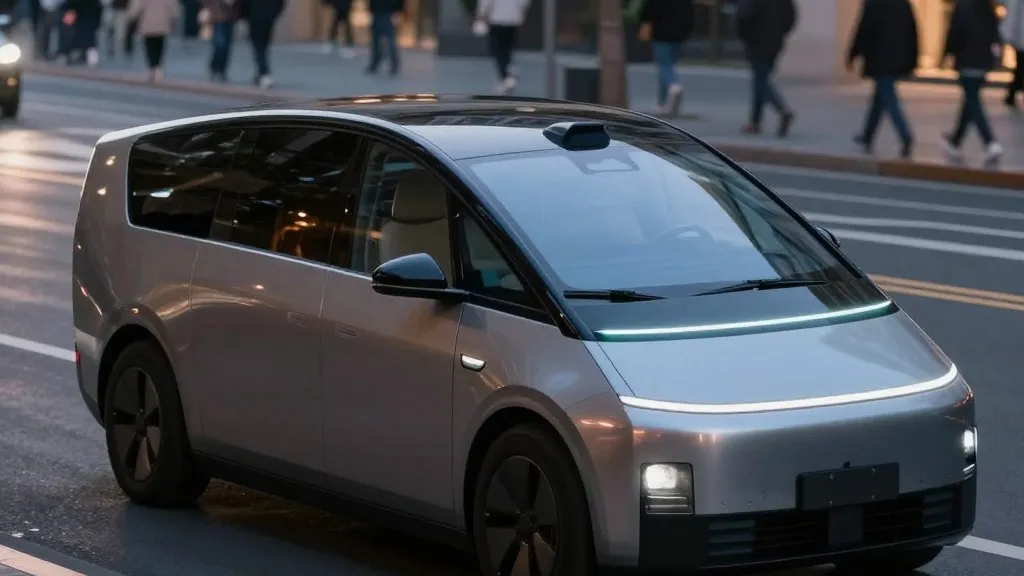
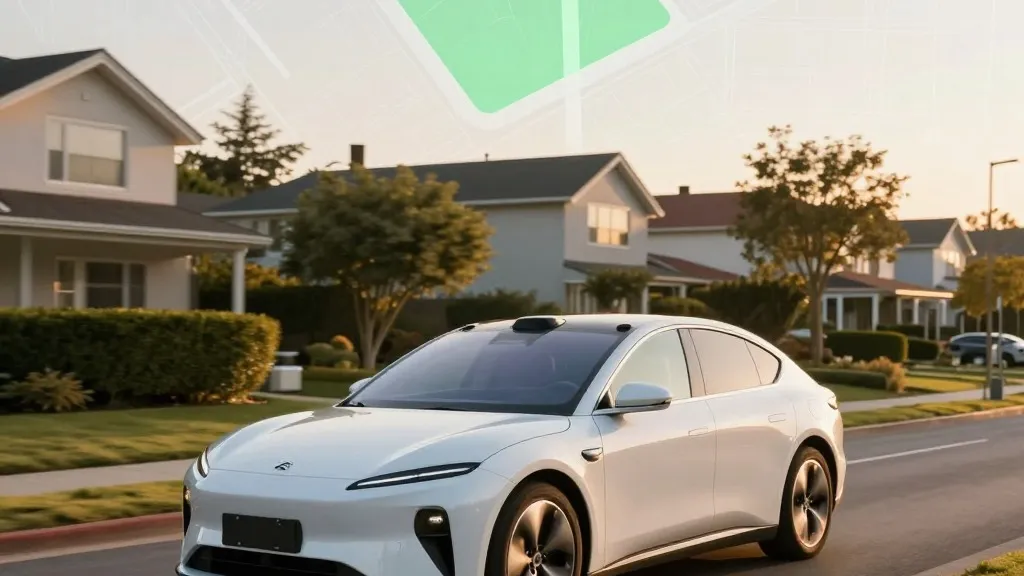
Federal regulators moved this week to standardize how the public identifies self-driving vehicles, proposing a specific color for cars operating without a human at the wheel. The National Highway Traffic Safety Administration released proposed amendments to Federal Motor Vehicle Safety Standard No. 108 that would introduce cyan-colored marker lamps to signal when an automated driving system is in control.
The agency selected this specific shade because other colors are already dedicated to standard vehicle functions. Red, amber, and white serve critical safety purposes for braking, signals, and headlights, while flashing blue and red lights belong to emergency services. A blue-green hue could fill a gap in the visual spectrum without causing confusion for drivers on the road. This approach also builds on existing precedent, as Mercedes-Benz previously secured state-level approval for turquoise lights on its Level 3 Drive Pilot cars, even though the company has since discontinued that technology in favor of a Level 2++ system.
Under the proposal, equipping vehicles with cyan marker lamps would remain optional for manufacturers. However, by establishing federal standards regarding color, brightness, and placement, regulators aim to prevent a patchwork of conflicting signals. This move would allow major automakers and robotaxi operators, including Waymo, Nuro, Zoox, GM, and Mercedes, to adopt a uniform configuration if they choose to use such lights.
The regulatory update also seeks to dismantle requirements designed specifically for human-operated machinery. Current standards demand physical hazard switches, manual beam shifters, and turn levers inside vehicles. The agency proposes removing these mandates for autonomous designs, while also updating the 12.8-volt testing standard to accommodate modern LED architectures without administrative hurdles. Additionally, the agency is considering eliminating rules that dictate whether high-beam lights must sit above or below low-beam lights.
This initiative supports a wider Department of Transportation effort to streamline the deployment of autonomous vehicles and facilitate the construction of cars that lack traditional controls like steering wheels and pedals.
Regulators continue to enforce existing laws while these changes are under review. Last month, the agency opened an audit query into the Tesla Cybercab regarding the certification process and technical data relied upon by the company. This inquiry centers on the vehicle's lack of sideview mirrors, pedals, and a steering wheel, which are currently required under FMVSS.
Source: The Verge