Trump Demands AI Data Centers Share Energy Wealth With Local Neighborhoods
The President has proposed a policy requiring hyperscalers to return excess power to nearby residents, aiming to offset rising utility bills and reduce community opposition to new infrastructure builds.
By Aever Bundji ·
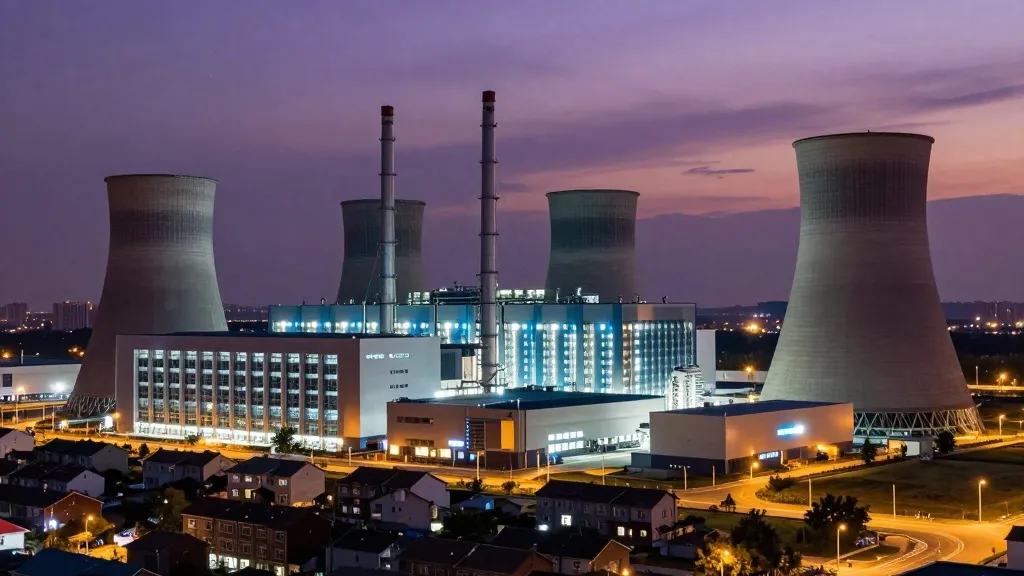
President Donald Trump has announced a new directive requiring artificial intelligence data center developers to provide financial or energy dividends to the local communities hosting their facilities. The move is designed to make large-scale computing infrastructure more acceptable to residents by directly addressing the primary source of local frustration: escalating electricity costs. By forcing these companies to give back or sell surplus power to the grid, the administration aims to prevent price hikes or even drive them down, creating a tangible benefit for nearby households.
The proposal emerged from a post on Truth Social, where the President outlined the requirements for data center builders and major AI hyperscalers. He stated that these entities would be mandated not only to generate their own electricity, a stance he has previously championed, but also to feed any excess energy back into the local supply. This strategy seeks to transform data centers from perceived drains on local resources into net contributors to the community’s energy economy.
This initiative responds to a growing wave of protests across the United States against AI data centers. Small communities have frequently expressed dissatisfaction with the outsized impact these facilities have on their daily lives. Residents have cited rising utility bills, noise pollution, water shortages, and air quality concerns as the main drawbacks of hosting massive server farms. The administration is now looking to win back some favor by ensuring these companies pay for the externalities they impose.
The Trump Administration remains focused on maintaining a competitive edge over China in the global AI race. To achieve this, it needs to streamline the construction of new data centers. The energy-focused dividend is likely intended to partially offset the rising electricity costs that affect homes in the vicinity of these facilities. This follows a recent act that already ordered data centers to cover the costs of necessary grid upgrades, ensuring that local taxpayers are not burdened with the infrastructure expenses.
In his post, the President emphasized the financial incentives that come with community cooperation. He noted that data centers, which were once highly unpopular in specific areas, have become extremely popular once a financial deal was struck. "MAKE DEALS, and get them built!!!" he concluded, urging developers to prioritize these agreements to accelerate construction timelines.
However, the practical implementation of these dividends remains unclear. While the economic aspect is a significant factor, it is only one facet of a broader set of challenges. Data centers continue to face scrutiny for their enormous water consumption, ecological damage, and pollution. These environmental concerns remain major hurdles that make AI infrastructure a difficult sell in many locations, regardless of potential financial benefits.
Critics have raised questions about the terminology used, noting that companies typically pay dividends only when they are profitable. Since new data center builds require significant upfront capital to recoup construction costs, they may not be in a position to distribute such payments immediately. Furthermore, the short-term power generation methods often employed by these facilities, such as gas-powered generators, are noisy and inefficient, which may not provide a clear benefit to nearby residents compared to conventional power sources.
Some observers argue that without strict regulatory requirements, companies may lack the incentive to go beyond the path of least resistance. There is also speculation that the term 'dividend' might be a strategic choice to suggest a benefit that may not materialize in the near term, given the high operating costs and asset depreciation involved in these projects.
The next steps will involve determining how these mandates are enforced and whether the proposed energy sharing mechanisms will effectively lower costs for local residents. As the administration pushes for more data centers to be built, the success of this policy will depend on whether the financial deals can truly outweigh the environmental and logistical concerns that have long plagued community relations.
Source: Tom's Hardware