Alcis Maps 9,000 Hectares of New Poppy Fields in Balochistan
Satellite analysis and farmer interviews reveal a sharp increase in opium cultivation in Pakistan's borderlands following the Taliban's ban on narcotics.
By Robert Hayes ·
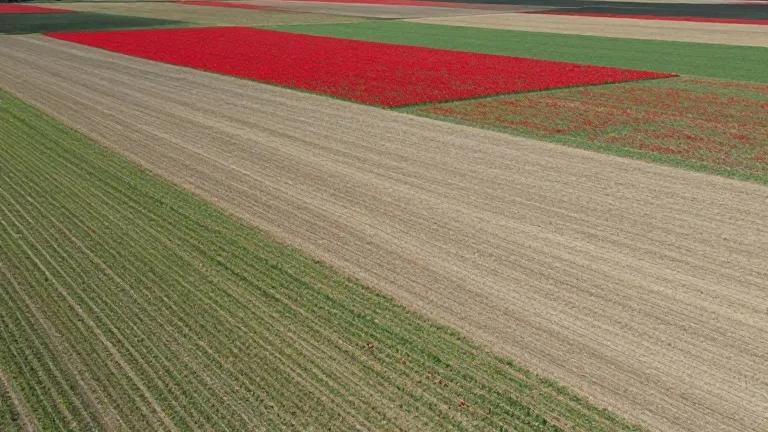
Satellite data and local testimony confirm a major expansion of poppy farming in Pakistan's Balochistan province.
The shift follows the Taliban's 2022 ban on illicit narcotics in Afghanistan, which reduced national output but pushed cultivation across the border into neighboring Pakistan and Iran. David Mansfield, a UK-based expert on the region's drug trade, stated that the ban and instability in the tri-border area created conditions for widespread growth. He described the remote borderlands as a global center for opium production, noting that the area has become a hub for the trade.
Alcis, a British firm, conducted the satellite analysis that identified more than 9,000 hectares of poppy cultivation in Balochistan alone. The report, authored by Mansfield in August, indicates that most of the new fields are concentrated in the districts of Loralai and Killa Abdullah. Abdul Qahar Wadan, a former National Assembly member from Killa Abdullah, alleged that senior military officials and pro-government power brokers support the crop by taking commissions from growers. Monawar Hussain, the district's chief administrative officer, rejected this claim, stating that cultivation declined after an eradication campaign the previous year. However, Alcis imagery from 2026 shows no clear evidence of eradication.
Local farmers describe the economic drivers of the shift. A resident of Killa Abdullah noted that insecurity, drought, and flash floods have damaged traditional fruit farming. He said, "It's not possible to resist it anymore. The demand for poppies is much more than fruits, and so is the income." Afghan farmers from Kandahar and Helmand provinces have leased land in Pakistan, bringing capital and expertise. They invest in solar-powered wells and share profits with local landowners. Many farmers doubled their cultivated land in 2026, which Mansfield called a stark indication that higher cultivation levels should be expected in 2027.
Similar patterns have emerged in Iran's Sistan-Baluchistan province, where Afghan farmers work as tenants. Satellite imagery from 2026 shows extensive fields, some using drip irrigation, suggesting growers expected little risk of eradication. Iranian authorities, focused on the war against the United States and Israel since late February, have not destroyed the 2026 crop. Experts expect cultivation to rise further in 2027 as the economy weakens and the province's separatist insurgency intensifies.
Opium cultivation is also rebounding inside Afghanistan despite the ban. Production is concentrated in northeastern Badakhshan province, which accounts for about half of the national output, and several southwestern provinces. Mansfield noted that southwestern cultivation almost doubled between 2025 and 2026. Farmers in these areas have protested the ban, and a new directive barring home searches without a court order may encourage further expansion. Mansfield warned that if farmers interpret the concession as tolerance, Afghanistan could see a dramatic rise in opium production in 2027.
Source: RFE/RL