Analysts forecast deadlier U.S.-Iran conflict after Nov. 3 vote
With over 7,000 dead, experts predict a third phase of strikes targeting Gulf energy and infrastructure once the midterms end.
By Miguel Hernandez ·
More than 7,000 people have died in Iran so far, a toll that Western non-governmental organizations say continues to climb as analysts warn of an imminent third round of fighting. Danny Citrinowicz, an Israeli analyst who spent two decades in military intelligence, told CBC News that a renewed war seems almost inevitable. He expects the United States and Israel to restart attacks once the U.S. midterm elections are concluded on Nov. 3.
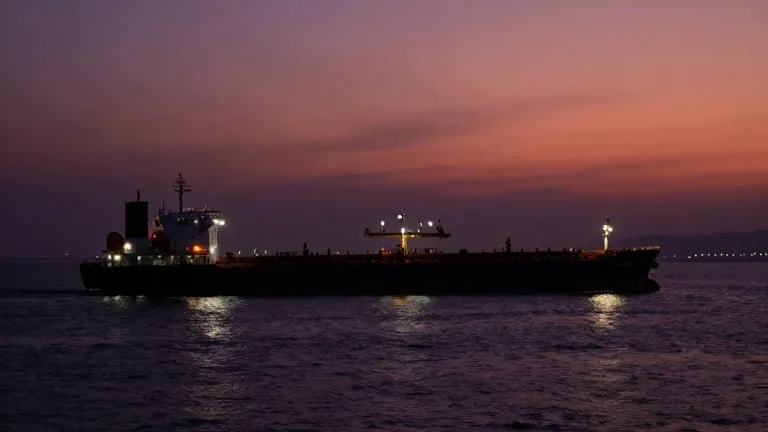
The current stalemate involves a U.S. blockade of Iranian ports and Iranian attacks on commercial ships in the Strait of Hormuz. These actions have pushed up global energy costs. On Thursday, President Donald Trump accused Iran on Truth Social of trying to inflate oil prices before the vote. He claimed the country was making up fake hits and mines. A report from the Critical Threats Project and the Institute for the Study of War agreed that these vessel attacks are designed to pressure Washington into meeting Iranian demands.
Citrinowicz predicts that a third phase of the war will target Gulf energy facilities, civilian infrastructure, and communications lines. He specifically cited internet cables running beneath the Strait of Hormuz as likely targets. He also noted that Iran could send part of its land army into limited attacks on Gulf states that host U.S. bases, such as Kuwait and Bahrain. The goal would be to inflict maximum damage on the American economy.
The human cost has spread beyond Iran. Lebanese media report over 4,000 deaths in Lebanon. The conflict has killed 21 U.S. service members, mostly in strikes on bases in the Gulf. More than 70 Israelis have also died. Deaths have been recorded in the UAE, Saudi Arabia, Iraq, and Yemen. The New York Times reports that the Pentagon is drafting a new battle plan, though it is unclear whether Trump will approve it.
Negotiations remain stalled. Mediators from Pakistan and Qatar have spent weeks trying to restart talks. Iran seeks relief from sanctions, reparations for strike damage, the release of billions in frozen assets, and the right to keep its enriched uranium. Suzanne Maloney of the Brookings Institution warned that retaliation would likely come from proxies like the Houthis in Yemen and Hezbollah in Lebanon. She said these groups could target soft economic sites such as airports.
Karim Sadjadpour of the Carnegie Endowment for International Peace argued that diplomacy is not dead but has been narrowed by Trump's maximalist aims. He stated that Iran would only compromise under existential economic pressure paired with a clear diplomatic exit. Netanyahu, who faces a close vote in the coming days, has spoken of finishing the job. Citrinowicz said a widening crisis could help Netanyahu stay in power by enabling an emergency unity government.
Source: CBC News