Missiles Intercepted Near Sacred Saudi Cities
Debris from intercepted projectiles fell across multiple cities after Yemeni forces targeted key infrastructure in the kingdom.
By Anastasia Volkova ·

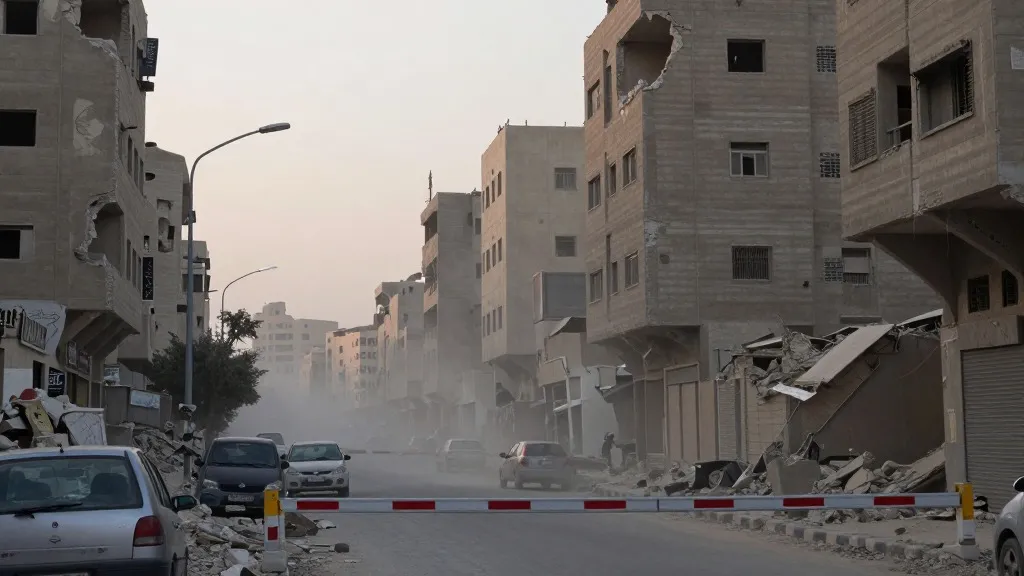
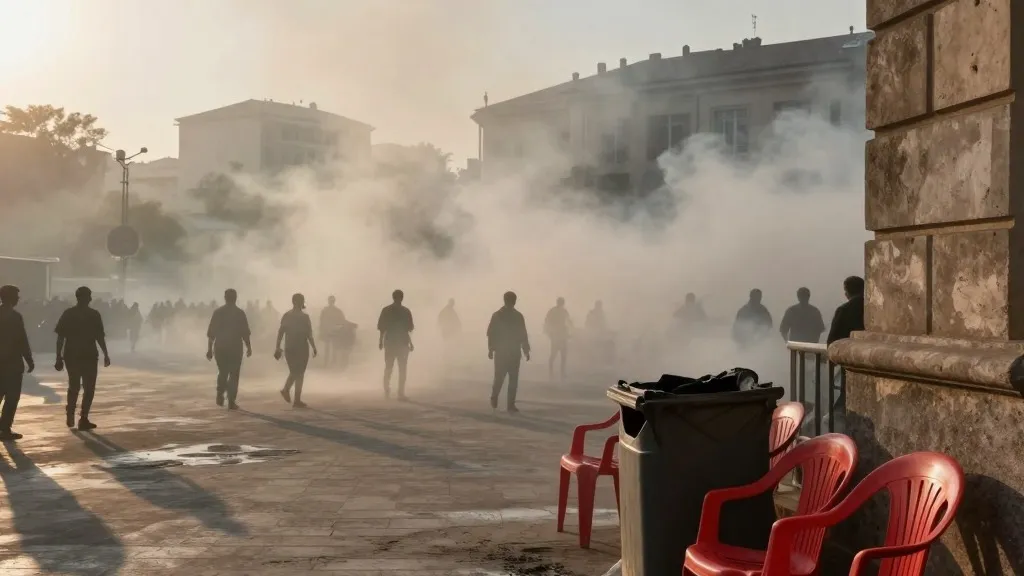
Residents in several Saudi cities woke to the aftermath of a new wave of regional conflict this Saturday. Debris from intercepted ballistic missiles scattered across Jeddah, Taif, and Rabigh, prompting a civil defense response as authorities managed the immediate fallout from the strikes.
The Saudi Civil Defense confirmed that two ballistic missiles were intercepted near the regions of Mecca and Medina. While the projectiles themselves were stopped before reaching their primary targets, the fragmentation of the missiles resulted in debris falling in multiple populated areas. This marks a significant escalation in the frequency of such incidents affecting the kingdom’s western provinces.
Yemen’s Houthi movement announced a coordinated series of attacks on Saudi infrastructure earlier in the day. Their military spokesperson, Yahya Saree, detailed a broad target list that included critical energy sites and major transportation hubs. The group claimed to have hit a Saudi Aramco facility in Yanbu, the Rabigh oil refinery, and King Khalid International Airport in Riyadh.
The Houthi military statement extended the list of targeted locations to include King Fahd International Airport in Dammam. The group also cited strikes on Najran airport and an air base in Khamis Mushait. These targets represent a mix of economic assets and logistical nodes that are vital for the movement of people and goods within the region.
In Yemen, the conflict has a reciprocal dimension. The Saba News Agency, which is linked to the Houthis, reported that the country’s National Commission for Human Rights condemned Saudi actions. The commission described a 'massacre' in the Asr neighborhood of the capital, Sanaa. They also noted an attack on a cement factory located in the Hamdan district of Sanaa Governorate.
The US State Department issued updated guidance for Americans in the Middle East on Friday, just before these latest strikes. The advisory highlighted an increased threat of armed attacks by Iran-backed Houthi forces. It warned of the potential for a rapid escalation of hostilities across the region, urging citizens to monitor the situation closely.
Despite the new warnings, the overall travel advisory classification for Israel remains at Level 3. This level urges American citizens to reconsider travel due to terrorism and unrest. The department maintained that existing risk indicators and restrictions on travel to specific areas of the country have not changed. The new advisory specifically cited previous Houthi attacks on Saudi Arabia, noting that strikes on civilian airports and infrastructure have led to casualties and significant travel disruptions in the past.
The pattern of targeting airports and oil facilities suggests a strategy aimed at disrupting daily life and economic flow. For working families and travelers, the interception of missiles near holy sites and the debris falling in major commercial cities like Jeddah and Rabigh underscore the proximity of the conflict to key population centers. The US warning serves as a formal acknowledgment that the risk of broader engagement is rising, even as the foundational travel categories remain stable.
As the region moves forward, the balance between offensive strikes and defensive intercepts continues to shift. The involvement of both Saudi and Yemeni infrastructure indicates that the conflict is affecting multiple fronts simultaneously. Observers will likely watch for further updates from civil defense agencies in both countries as they assess the damage and determine the next steps in this ongoing exchange.
Source: The Jerusalem Post