The Price of Perfection: Why Apple's New Foldable May Leave Some Buyers Frustrated
A $1,999 tag and software quirks temper the excitement over the iPhone Duo's superior hardware and unique camera capabilities.
By Aever Bundji ·
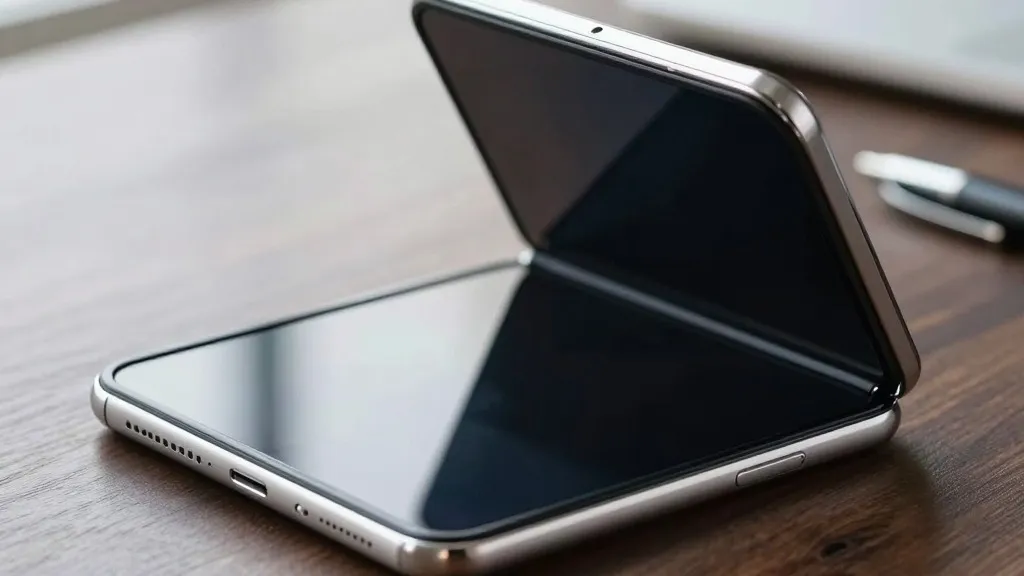
The wait for Apple's entry into the folding phone market is finally over, but the debut is not without its friction points.
Samsung launched the first foldable device in 2019, and it has taken seven years for Cupertino to match that innovation. However, the extra time spent in development seems to have yielded a polished result that early reviewers are praising. Despite the strong hardware foundation, the device carries a $1,999 price tag that demands scrutiny before buyers commit to the purchase.
The software experience presents the most immediate challenge for new owners. The phone features a 5.4-inch exterior screen and a 7.6-inch interior display, a form factor that many developers have not yet fully addressed. While Apple's native applications have been redesigned to fit this new shape, a significant number of third-party programs still appear as narrow vertical strips flanked by thick black bars. Slack, Instagram, DoorDash, and WhatsApp have received updates for the latest iOS version, but even these major apps show signs of interface issues, such as broken elements in Instagram. Apple has also shifted navigation controls from the bottom center to a right-hand rail, a change that may feel unfamiliar. Since the device is currently back-ordered for several weeks, it is possible that developers will finalize their optimizations by the time most consumers receive their units.
A notable design shift is the removal of Face ID, replaced by a Touch ID sensor located on the right side of the frame. This is the first time the fingerprint reader has returned to a flagship iPhone, a move likely driven by the need to maintain a thin profile. While some users may miss the speed of facial recognition, others who preferred fingerprint scanning will find this a welcome change. The Dynamic Island remains, but it has been relocated to the top-right corner near the front camera, appearing in the same position on both the outer and inner displays during active notifications.
Accessory compatibility requires a bit of ingenuity from buyers. Although the phone supports MagSafe, attaching it to a car dock or tripod while unfolded causes it to tilt due to uneven weight distribution. Third-party manufacturers may need to incorporate anti-rotation magnets to solve this, potentially rendering older gear incompatible. Magnetic wallets also present an issue; because the Duo is shorter than previous iPhones, standard wallets extend past the bottom edge, and Apple has not yet offered an official solution for this gap.
Photography capabilities stand out as a major advantage. Users can utilize the higher quality rear cameras for selfies while viewing the preview on the outer screen. A specific control allows the full camera interface, including modes and styles, to move to the exterior display, which simultaneously disables the inner screen to prevent accidental inputs. This feature is distinct from the Duo Preview mode, which shows the subject the viewfinder, and the Kids Cue feature, which uses animated characters to keep children focused during portrait shots.
Multitasking offers a new level of control. Users can drag applications to the left or right sides of the inner screen to run two programs simultaneously. Tapping the central divider locks these apps together as a pair for quick access in the recent apps menu, though they cannot yet be saved as a single combined icon on the home screen.
Maintenance of the inner display requires careful handling. Apple recommends using a case and an outer screen protector, but it emphasizes that the matte nano-texture finish on the inner screen is an integral part of the device. The company warns against attempting to remove this finish, as doing so could void the warranty. Apple does not clarify if third-party protectors are safe, noting they might affect display quality. If the finish is damaged, replacement costs $19 in warranty or $49 out of warranty, while a cracked inner display repair costs $999 without AppleCare+.
Several improvements are on the horizon. A split keyboard is already available to aid typing on the wide screen, and an update later this year will introduce Reachability, allowing users to shift apps to the sides rather than pulling them down. Another update will add support for the USB-C Apple Pencil, which is expected to enhance drawing and writing experiences on the textured surface. However, users should note that there is currently no built-in storage slot for the stylus on the phone itself.
Source: Wired